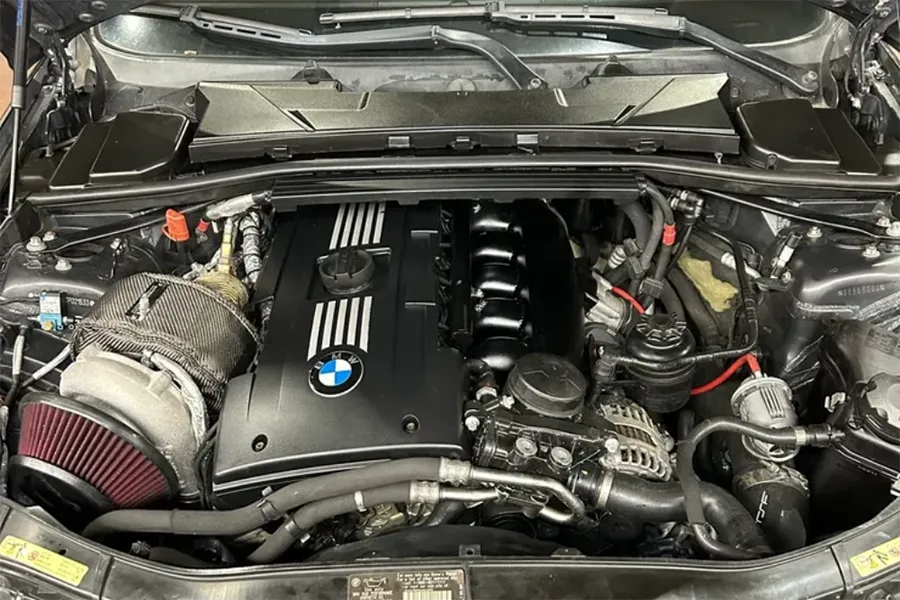
If your European vehicle doesn’t feel as responsive as it used to, you’re not imagining things. Engine performance issues can show up in subtle ways, from sluggish acceleration and rough idling to reduced fuel economy and occasional hesitation under load. These symptoms are your vehicle’s way of telling you something needs attention.
At Holland’s Highline Automotive in Bridgewater, MA, we help drivers across Massachusetts understand what’s happening under the hood and guide them toward the right solution before a small concern turns into a major repair. This blog breaks down the most common engine performance problems European vehicle owners face, what causes them, and when it’s time to bring your car in for a closer look.
What Engine Performance Issues Feel Like Behind the Wheel
Engine performance issues don’t always announce themselves with a warning light. In many cases, you’ll feel the difference before you see it on the dashboard. Understanding what to pay attention to can help you catch problems early and avoid unnecessary damage.
Sluggish Acceleration and Hesitation
One of the first things drivers notice is that their vehicle doesn’t pull the way it used to. You press the gas pedal, and there’s a noticeable delay, or the car feels like it’s struggling to keep up with traffic. This hesitation is often tied to fuel delivery problems, ignition system faults, or failing sensors that feed incorrect data to the engine control unit. Models like the 3 Series, C-Class, and A4 are known for developing these symptoms as mileage increases, especially when maintenance intervals get stretched.
Rough Idle and Vibrations
A healthy engine should idle smoothly. If you’re sitting at a stoplight and your steering wheel is vibrating or the RPMs are bouncing, that’s a sign of an engine performance issue. Carbon buildup on intake valves is a common culprit, particularly in direct-injection engines found in many Volkswagen, Audi, and BMW models. Vacuum leaks, worn spark plugs, and failing ignition coils can also cause rough idle conditions that get progressively worse over time.
Reduced Fuel Economy
When your engine isn’t running efficiently, it burns more fuel to produce the same amount of power. If you’re filling up more frequently without any change in driving habits, there’s likely an underlying engine performance issue at play. Faulty oxygen sensors, clogged fuel injectors, and deteriorating catalytic converters are frequent contributors to poor fuel economy in European vehicles.
Common Causes of Engine Performance Problems in Bridgewater and the South Shore
European vehicles are engineered with precision, but that complexity also means there are more systems that can affect engine performance when something goes wrong. Here are the most common causes Bridgewater and South Shore drivers should be aware of.
Carbon Buildup on Intake Valves
Direct injection technology is standard on most modern European engines. While it improves efficiency, it also creates a byproduct: carbon deposits on the intake valves. Over time, this buildup restricts airflow and causes misfires, rough running, and reduced power. Walnut blasting is the most effective method for removing carbon deposits and restoring proper airflow. This is especially common on Volkswagen and Audi models equipped with TSI and TFSI engines, as well as BMW’s turbocharged four- and six-cylinder powerplants.
Ignition System Failures
Spark plugs and ignition coils work together to ignite the air-fuel mixture in each cylinder. When one or more components start to fail, you’ll experience misfires that feel like the engine is stumbling or shaking. European engines typically require spark plug replacement around the 60,000 to 75,000 mile mark, though some drivers push well past this and end up dealing with engine performance issues as a result. Ignition coil failures are particularly common on turbocharged engines where heat stress is higher.
Sensor and Module Malfunctions
Modern European engines rely on dozens of sensors to maintain optimal performance. The mass airflow sensor, oxygen sensors, camshaft position sensor, and throttle position sensor all play critical roles. When any of these fail or provide inaccurate readings, the engine management system can’t make proper adjustments. This leads to poor throttle response, erratic idling, and sometimes a check engine light. Accurate diagnosis with the right tools is essential because replacing the wrong sensor wastes time and money.
Why European Vehicles Need Specialized Attention for Engine Repair
Not every shop in the Bridgewater area is set up to handle the complexity built into European engine systems. These vehicles run proprietary software, model-specific components, and tighter engineering tolerances than most other makes on the road. A generic scan tool can pull a fault code, but that’s only half the story. Understanding what that code actually means within the context of the vehicle’s layered systems takes real hands-on experience.
At Holland’s Highline Automotive, we use the Autologic scan tool, which gives us access to manufacturer-level data and guided diagnostics. This isn’t the same as plugging in a generic reader and guessing. Autologic communicates with the vehicle at the same depth a dealer’s system would, which means we can identify the actual root cause of an engine issue rather than chasing symptoms.
Drivers across Bridgewater, Taunton, Raynham, and Brockton benefit from working with a shop that understands these systems inside and out. Whether it’s a turbocharged four-cylinder in a GTI or a twin-turbo V8 in an S-Class, the diagnostic process matters just as much as the repair itself.
If your European vehicle isn’t performing the way it should, don’t wait for the problem to get worse. Visit Holland’s Highline Automotive at 75 1st St UNIT 7, Bridgewater, MA 02324, or call 774-504-1340 to schedule your engine performance evaluation today.
Preventive Maintenance That Protects Your Engine Long Term
The best engine repairs are the ones you never need. European vehicles hold up exceptionally well when they’re maintained at the right intervals with the right products. That’s exactly the kind of care Holland’s Highline Automotive is built around.
Fluid Services for European Engines in Bridgewater
European engines are particular about what goes into them, and that’s not an exaggeration. We use Liqui Moly synthetic oil for oil services because it meets the specific engineering requirements of these vehicles. For transmission services, transfer case services, and differential fluid replacements, we work with Redline and Motul, which are built to handle the demands these drivetrains put on fluid under real-world conditions. Using the right products at the right intervals is one of the most direct ways to protect engine performance over the long haul.
Milestone Services We Recommend for South Shore European Vehicles
We follow manufacturer-recommended service intervals because they exist for a reason. Around 30,000 miles, brake fluid should be replaced. At 75,000 miles, transmission and transfer case fluids are due. By 100,000 miles, coolant, differential services, and spark plugs are all on the list. When you bring your vehicle in, we walk you through what’s coming up and why, so you’re never caught off guard by a service you didn’t see coming.
Don’t Wait on Warning Signs
A small misfire or a subtle power loss might not feel urgent, but in European vehicles, these things tend to compound. A failing ignition coil can lead to unburned fuel damaging the catalytic converter. A worn oxygen sensor can push the engine to run rich, wearing down internal components over time. Catching these issues early is almost always less expensive than letting them develop. If something feels off, that’s the right time to bring it in.
Why Choose Holland’s Highline Automotive for Engine Performance Services
We built Holland’s Highline Automotive around one idea: fixing European vehicles the right way, and making sure you understand every step of the process. We’re a team of trained professionals who specialize in the brands you drive every day and the ones you save for weekends.
Transparency is at the core of everything we do. We take the time to explain exactly what we found, why it matters, and what the repair involves, all in plain language so you leave the shop knowing what was done and why.
- European vehicle specialization, including BMW, Mercedes, Volkswagen, Audi, Porsche, Land Rover, Jaguar, Rolls Royce, and Bentley
- Autologic scan tool for manufacturer-level diagnostics and guided fault finding
- Walnut blasting for carbon cleaning on direct-injection engines
- Liqui Moly synthetic oil and Redline/Motul fluids for every service
- 1-year, 12,000-mile warranty through Worldpac on qualifying repairs
- Loaner vehicles available so your schedule doesn’t stop when your car needs service
- Certifications from Worldpac Training Institute (WTI) and Standard Pro Training
We’ve been taking care of drivers across Bridgewater, Taunton, Raynham, Brockton, and the surrounding South Shore communities, and we’re here to make sure your European vehicle performs the way it was designed to.
FAQs About Engine Performance Issues
Why does my engine feel off while driving?
An engine that feels off usually points to a fuel delivery, ignition, or sensor problem that’s disrupting normal combustion. Even minor issues like a worn spark plug or dirty fuel injector can make a noticeable difference. Getting a proper diagnosis early helps prevent further damage.
Can engine issues develop gradually over time?
Yes, many engine performance issues build slowly as components wear or carbon deposits accumulate. You may not notice the change day to day, but over weeks or months the decline becomes apparent. Routine maintenance is the best way to catch these trends early.
Are misfires common in European vehicles?
Misfires are relatively common in European vehicles, especially those with direct-injection or turbocharged engines that are prone to carbon buildup and ignition coil wear. They often start as intermittent events before becoming more consistent. Addressing misfires quickly protects the catalytic converter and other downstream components.
When should engine diagnostics be scheduled?
Engine diagnostics should be scheduled whenever you notice changes in power, idle quality, fuel economy, or when a warning light appears on the dashboard. Waiting too long can allow minor faults to cause additional damage. A diagnostic evaluation identifies the exact issue so repairs can be targeted and cost-effective.
Can small engine problems turn serious if ignored?
Absolutely. A failing sensor can cause the engine to run too rich or too lean, leading to premature wear on pistons, valves, and exhaust components. Ignoring misfires can destroy a catalytic converter, turning a minor repair into a bill that’s several times more expensive. Early attention almost always saves money.
Schedule Your Engine Performance Service in Bridgewater Today
Ready to get your European vehicle running the way it should? Don’t let engine performance issues go unresolved. Schedule your engine repair service today with the team at Holland’s Highline Automotive. Visit us at 75 1st St UNIT 7, Bridgewater, MA 02324, or call 774-504-1340 to book your appointment. We look forward to helping you get back on the road with confidence.